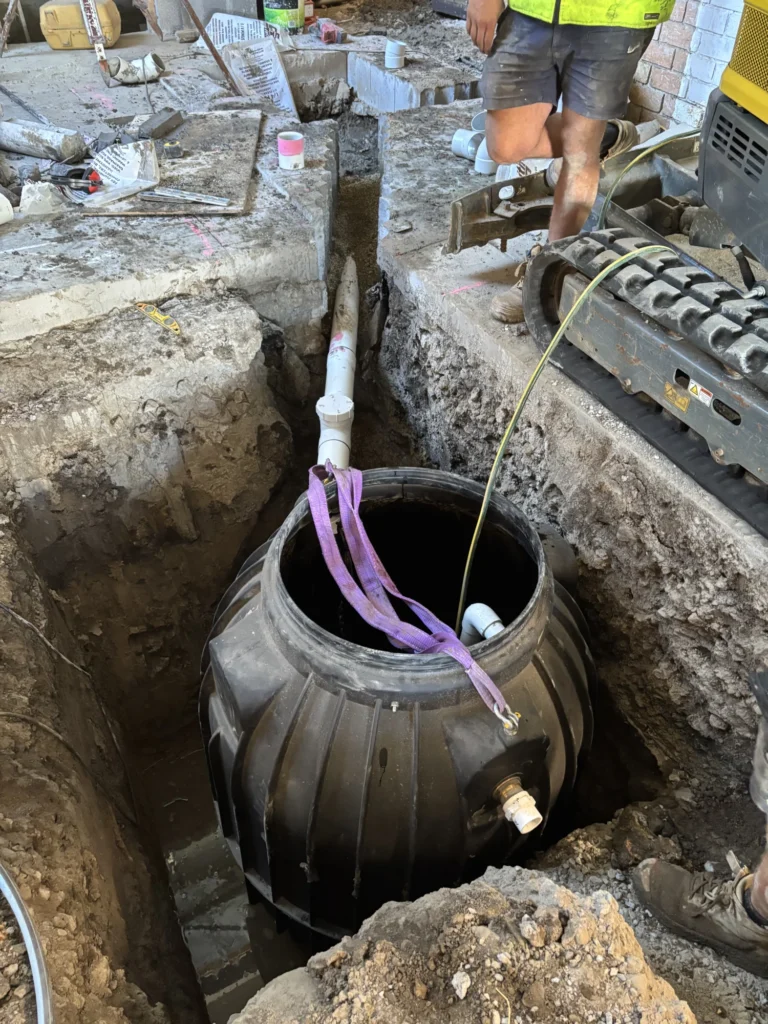
When a shopfront or a kitchen stops draining, trade stops with it. Measured Plumbing looks after plumbing for Melbourne’s cafes, restaurants, pubs, bakeries and retail tenancies, from grease trap installation and trade waste connections through to the amenities, hot water and back-of-house repairs a trading site needs. Work gets scheduled around opening hours wherever the job allows.
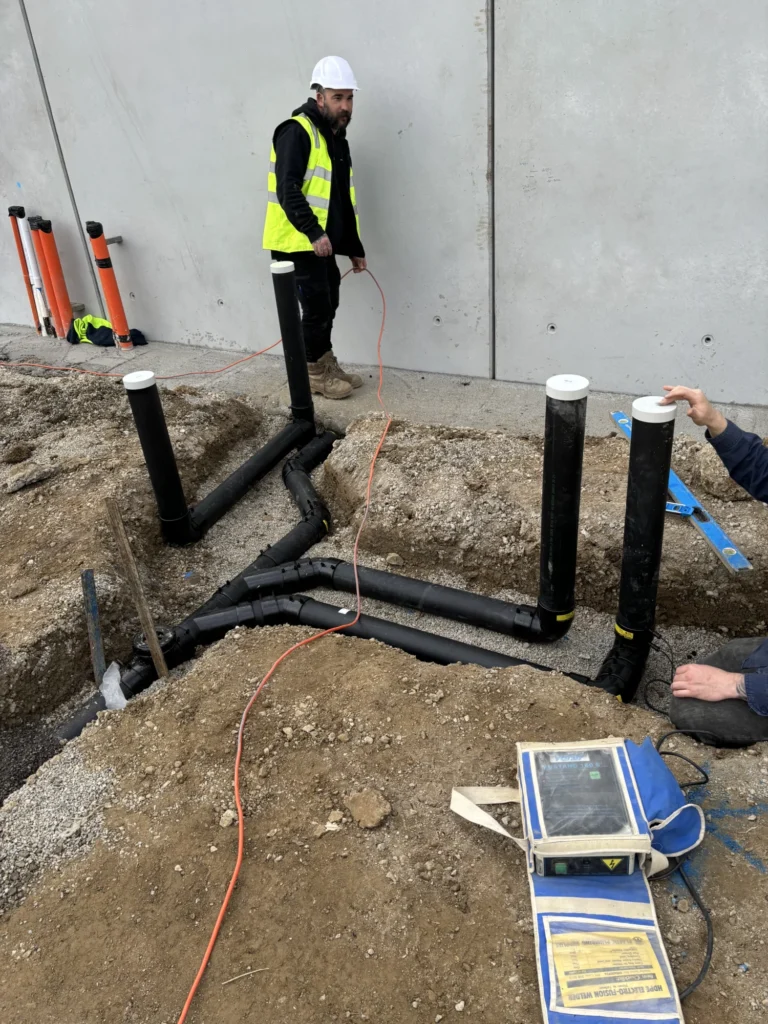
Retail and hospitality sites run their plumbing hard and cannot close to fix it. Every job starts with what the site actually puts through the fixtures: the equipment connected, the hours it runs, and how much of that ends up in the waste.
Grease trap installation: we size the trap to the fixture and equipment load, and put it somewhere it can actually be serviced.
Trade waste connections and pre-treatment: kitchen discharge points connected through the pre-treatment your water authority requires.
Grease trap repairs and servicing: lids, baffles, inlet and outlet fittings and seals repaired or replaced so the trap separates as designed.
Commercial kitchen plumbing: sinks, dishwashers, combi ovens, glass washers and coffee machines connected with correct waste, gas and hot water supply.
Shopfront and tenancy plumbing: staff kitchenettes, basins, amenities and hot water across shops, studios and retail tenancies.
Salon and barber plumbing: wash basins, backwash units, hot water and waste for hair and beauty fit-outs and refits.
Blocked kitchen wastes: fat-choked branch lines and floor wastes cleared, with the cause identified.
Bar, cellar and coolroom drainage: floor wastes, tundishes and condensate lines corrected where they run slow or smell.
Amenities and back-of-house repairs: pans, cisterns, tapware and hot water plant maintained across the venue.
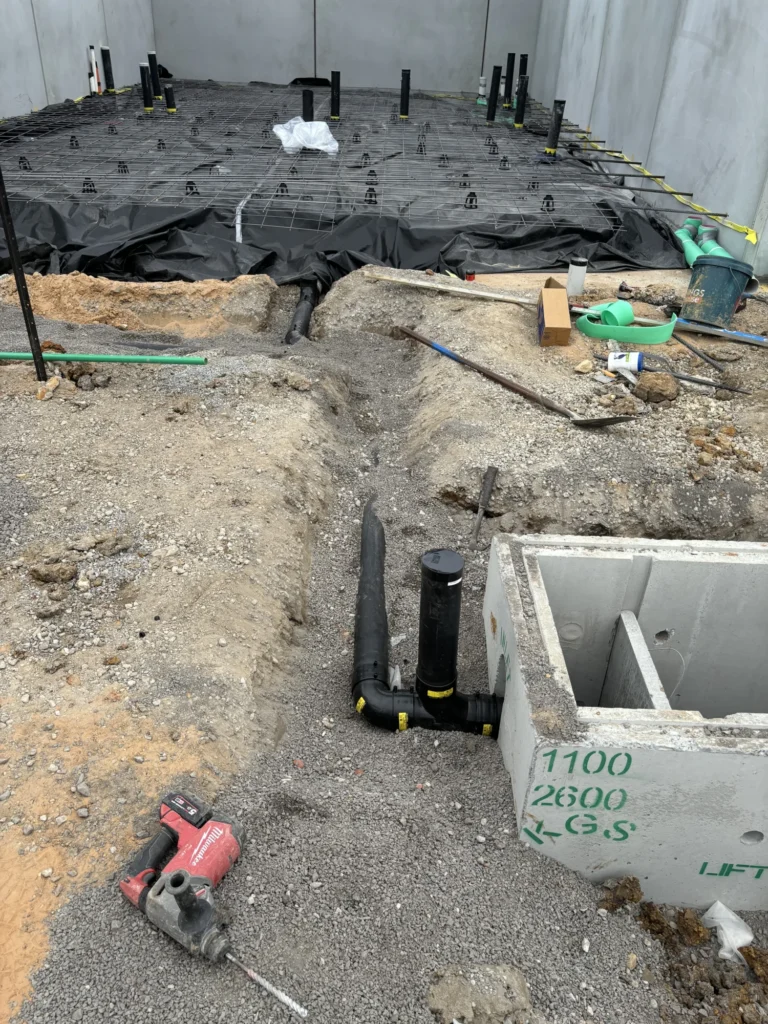
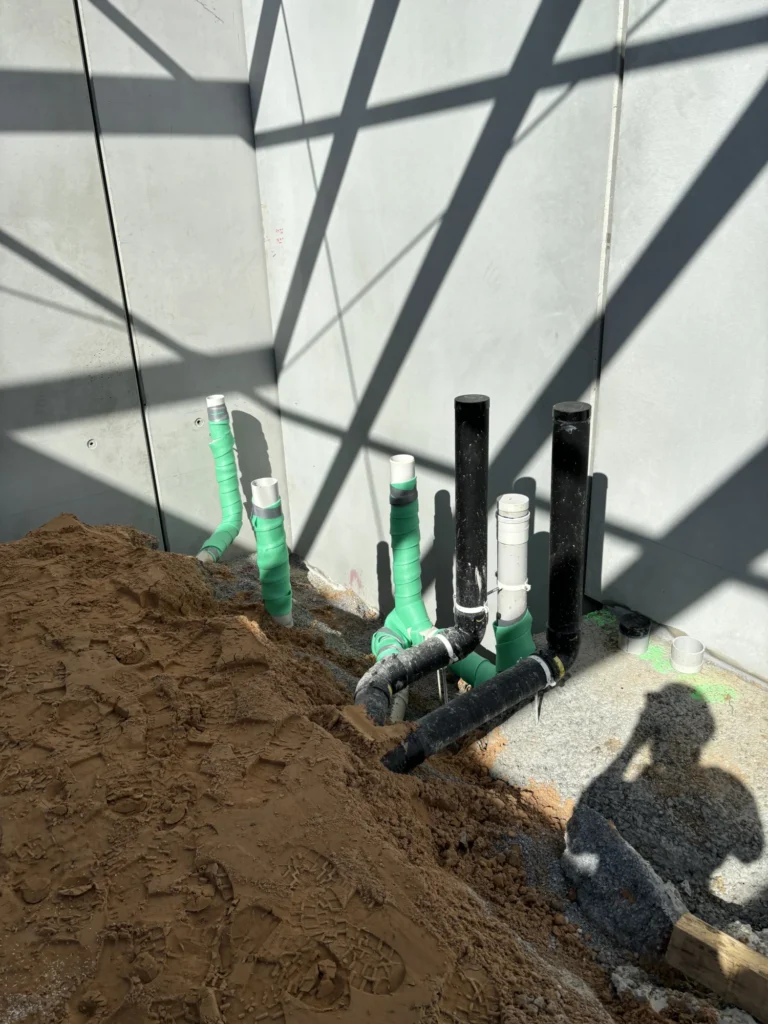
Most of this work is small and time-critical: a failed mixer on a prep sink, a cistern running through service, a customer toilet out of order on a Saturday, a coolroom drain that has started to smell. We attend between trading periods where the job allows, and price anything needing parts before it proceeds.
Venues with a lot of equipment, and operators running more than one site, are easier to keep on a set cycle. Fixtures, floor wastes, tapware and hot water plant get checked on the same visit, so one record covers the whole back of house. Whole-of-portfolio works run under scheduled commercial maintenance.
Whole site, one attendance
15+ years' experience
Work planned around service
Written scope
I was extremely impressed by the efficiency, professionalism and service provided. Cannot recommend them enough!
I recently used this new plumbing company and couldn't be happier with the experience. From the initial phone call through to the completion of the job, the team was professional, friendly, and incredibly responsive. Read More
Most sites give warning well before something fails in front of customers.
Once grease is carrying past the outlet, the branch drain is already collecting it. Dealing with the trap and the line together is what stops the same call-out repeating.
The frequency is set in the trade waste agreement with the water authority, and a licensed liquid waste contractor carries out the pump-out. It varies with trap size and kitchen output, and the frequency written into an old agreement is often wrong for what the kitchen does now.
| Kitchen type | What drives the frequency | Common issue |
| Cafe with light food service | Small trap, limited hours, lower fat load | Trap undersized for a menu that has grown |
| Full restaurant kitchen | High fat load across long service periods | Frequency set years ago and never revised |
| Pub or venue kitchen | Fryers, chargrills and heavy wash-down | Bar and cellar wastes overlooked entirely |
| Bakery or takeaway | Constant production through the day | Trap installed where it is difficult to access |
A trap being emptied more often than the agreement requires is a sizing problem being paid for monthly. Reviewing the trap against the kitchen’s current output is usually the cheaper fix.
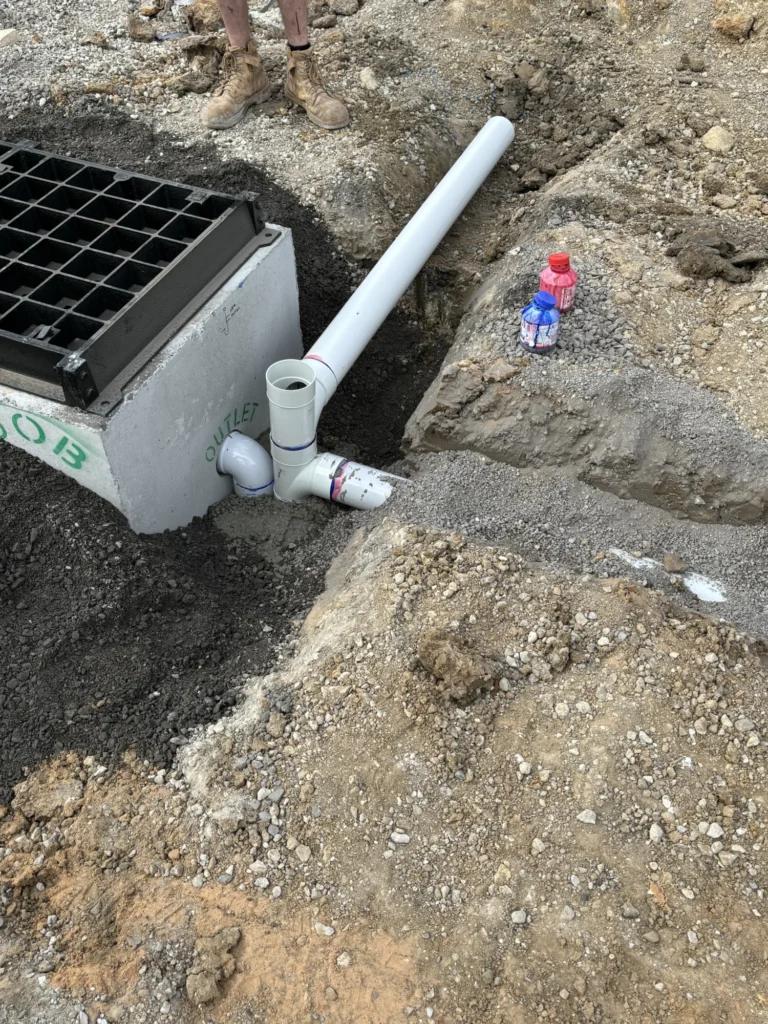
Access is the first factor. A trap sitting in an open rear yard is straightforward, while one under a kitchen floor, inside a coolroom or in a shared laneway with restricted vehicle access takes longer to reach and to work on.
For a new installation, the price depends on the required capacity, excavation, the depth of the existing waste line, whether the surface has to be cut and reinstated, and the water authority’s approval process. Trading hours matter too, because most venues prefer the work done outside service. Every job is quoted in writing once the kitchen and the existing waste arrangement have been inspected.