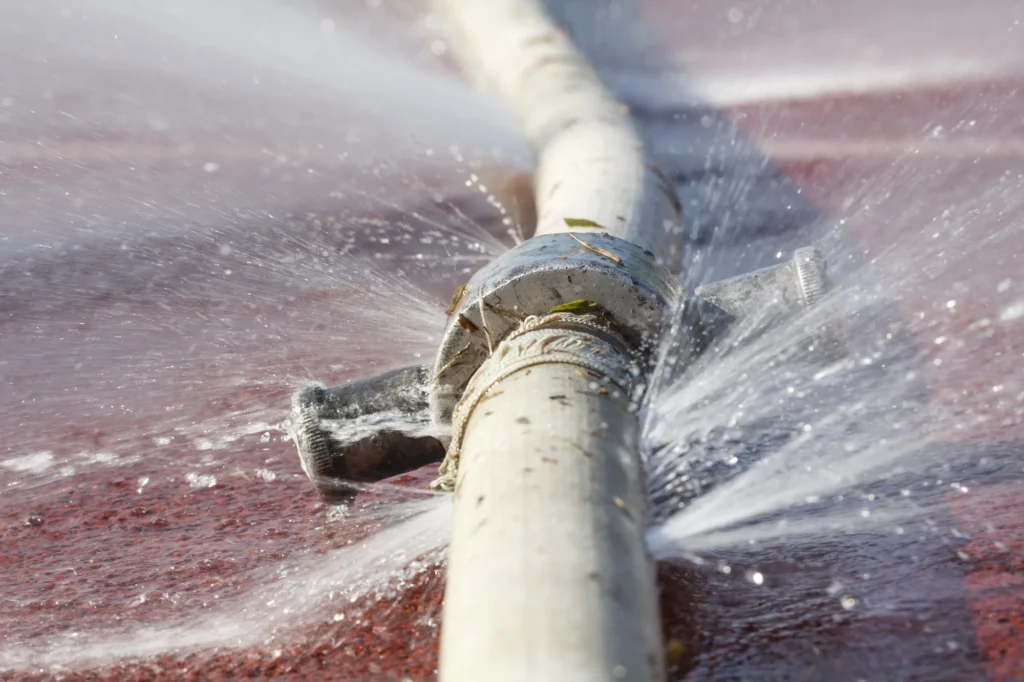
Turn the water off at the meter, or at the isolation valve for the affected fixture if you can reach it safely.
Turn off power to any circuit near water entry at the switchboard, and stay clear of wet light fittings and ceilings.
Move contents and furniture clear, and lift rugs and soft flooring out of the wet area.
Photograph everything before it is moved or dried, including the water, the ceiling or wall, and the affected contents.
Leave demolition and replacement alone for now. The insurer needs the damage recorded as found.
Note the time you discovered it and log the claim with your insurer or agent.
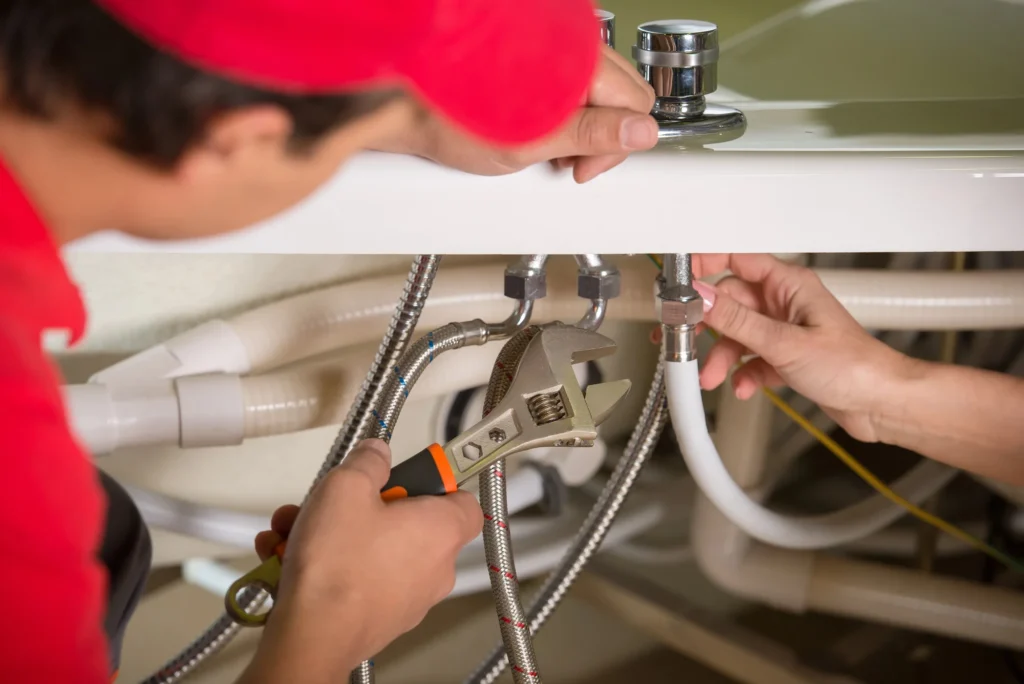
When it comes to insurance work, the requirements differ significantly from a simple repair. Stopping the fault, determining its cause, and ensuring everything is documented properly are essential for an efficient claim. Measured Plumbing is skilled at providing the required paperwork, making your insurance claim experience seamless.
Emergency make safe
Cause of damage investigation
Cause of damage reports
Costed scope of works
Temporary reinstatement
Permanent repairs
Overflow and sewage damage
Attendance for agents and insurance builders
Reports written for assessors
Cause established before demolition
Itemised costings
15+ years' experience
Occupied properties handled carefully
I was extremely impressed by the efficiency, professionalism and service provided. Cannot recommend them enough!
I recently used this new plumbing company and couldn't be happier with the experience. From the initial phone call through to the completion of the job, the team was professional, friendly, and incredibly responsive. Read More
Most claim delays trace back to a missing detail rather than a disputed one.
Gradual deterioration is where claims most often turn. Recording the condition of the pipework at the point of failure protects the property owner either way, and a property kept on scheduled maintenance has that history already on file.
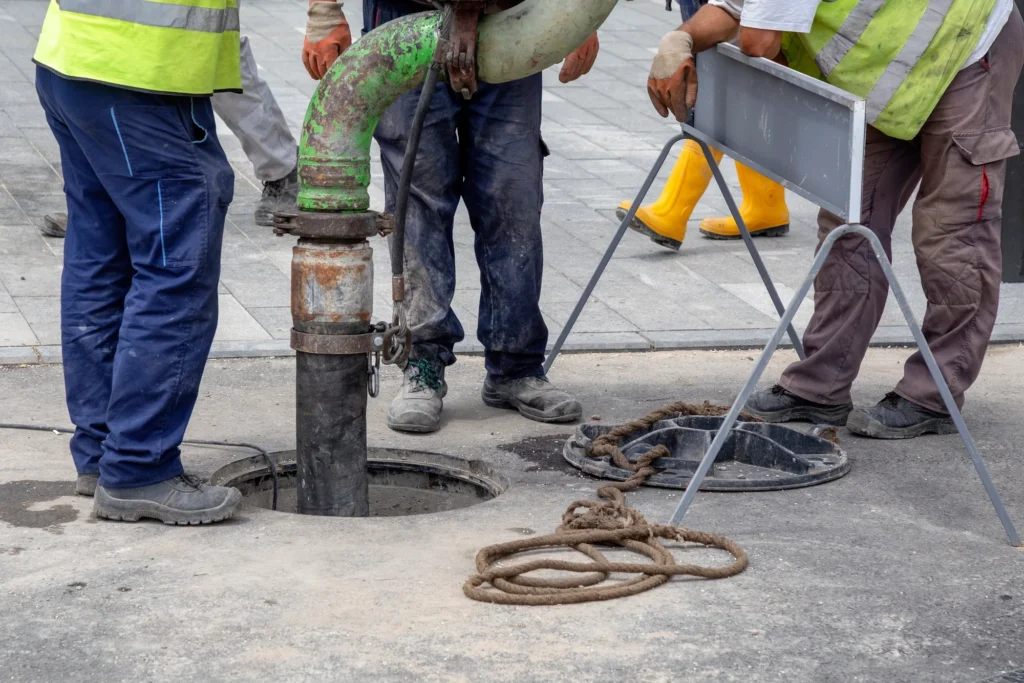
Make-safe attendance and the investigation behind a report are usually the smaller part. The rectification is what moves, and it depends on where the failure sits, what has to be opened up to reach it, how much pipework is being replaced, and whether the failure exposed a section that will not pass a pressure test.
Access is the other driver, because a joint above a finished ceiling or behind tiling costs more to reach than the repair itself. Rectification beyond the fixture, such as failed drainage, is priced separately. Everything is quoted in writing and itemised, which is what allows an insurer to approve the plumbing work without a second visit. Whether the claim covers it is the insurer’s decision, and the report is written to give them what they need to make it.